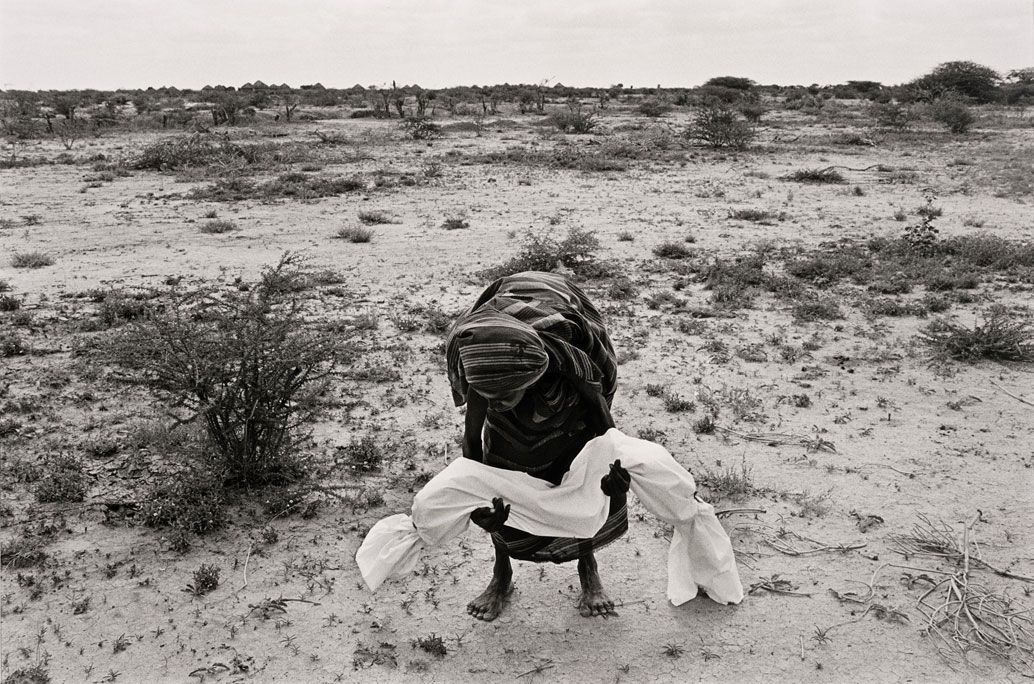
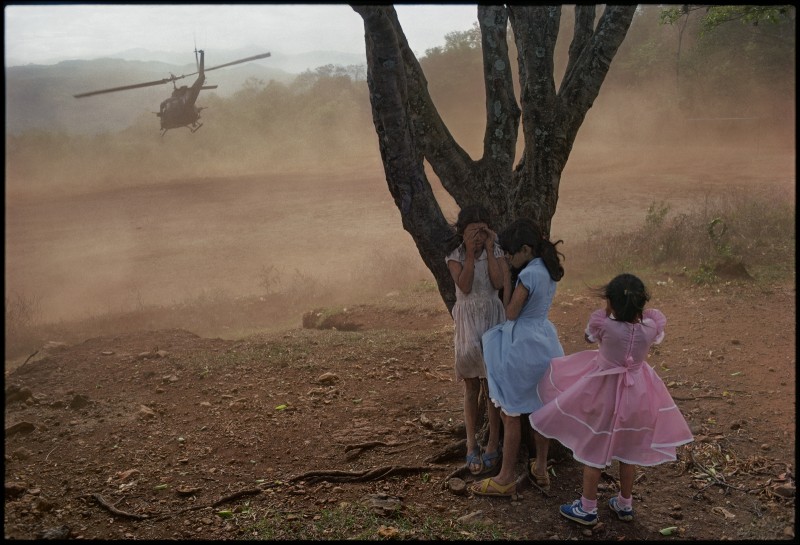
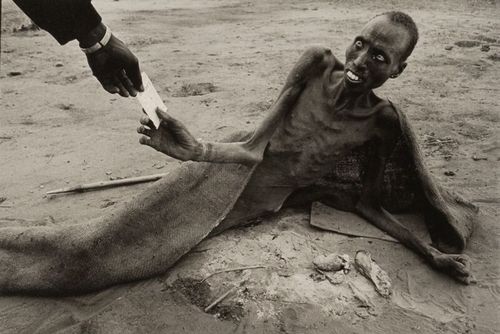
" I'm only one among many journalists who've committed themselves to covering conflicts and revealing social injustices, that have been hidden or ignored, but that are crying out to be corrected." ~ James Nachtwey
Here is an overview of some of Nachtwey's work:
Please see my posts on my favourite photojournalist by clicking on links here
and here
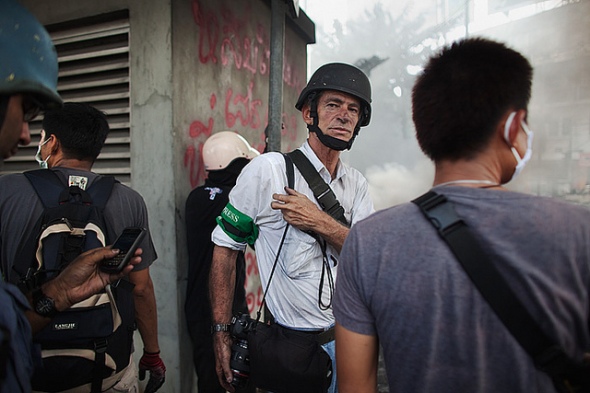
James Nachtwey is the greatest war photographers of our time. He began photographing because he was “influenced by imagery from the Vietnam War and the American Civil Rights movement.” In 1976 he started his career as a photographer for a small newspaper in New Mexico.
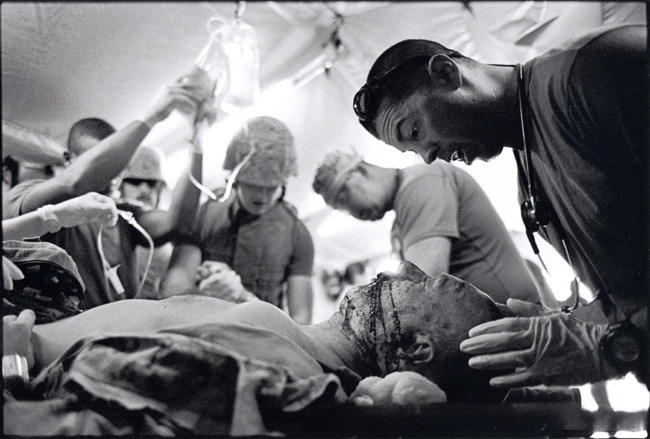
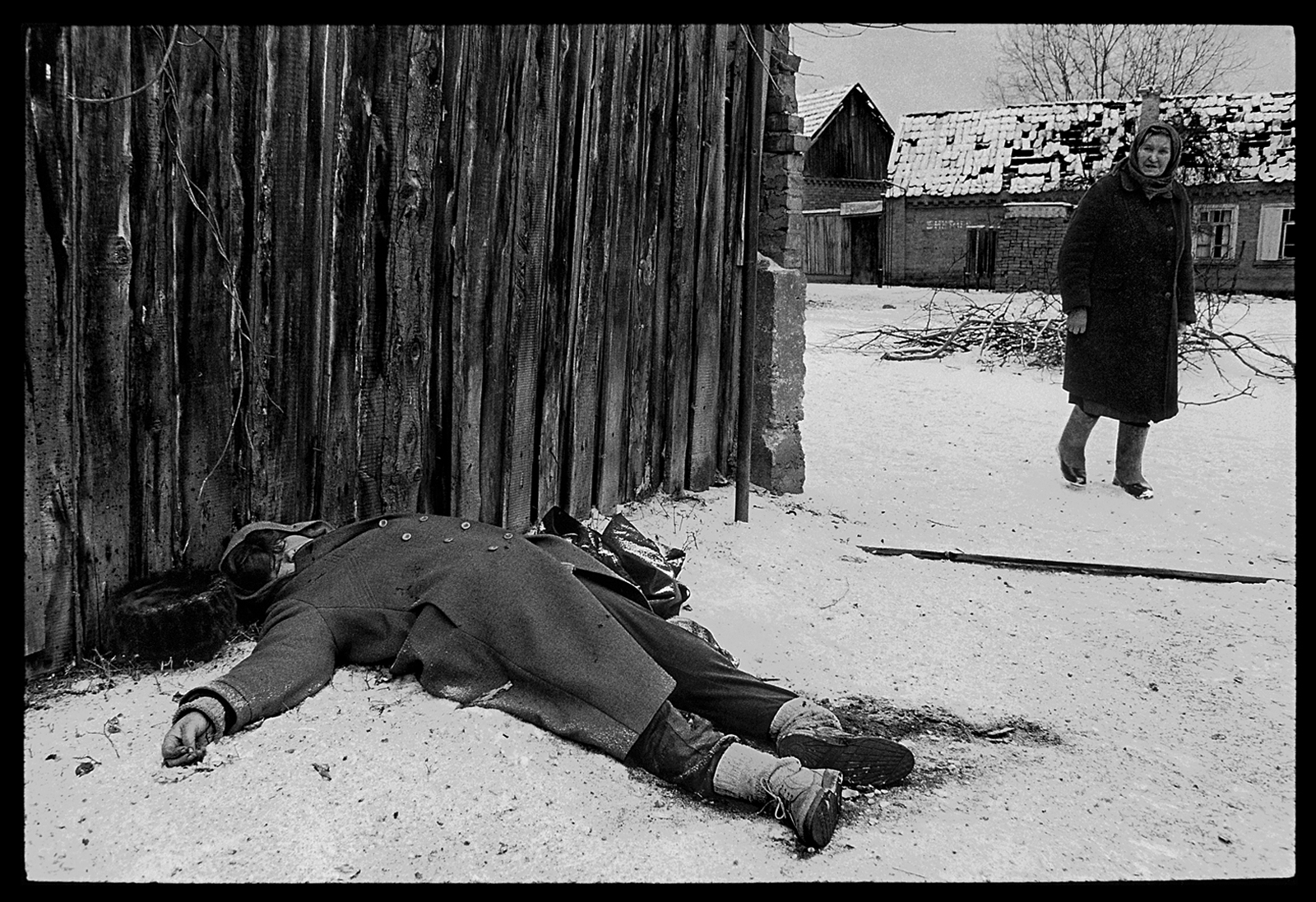
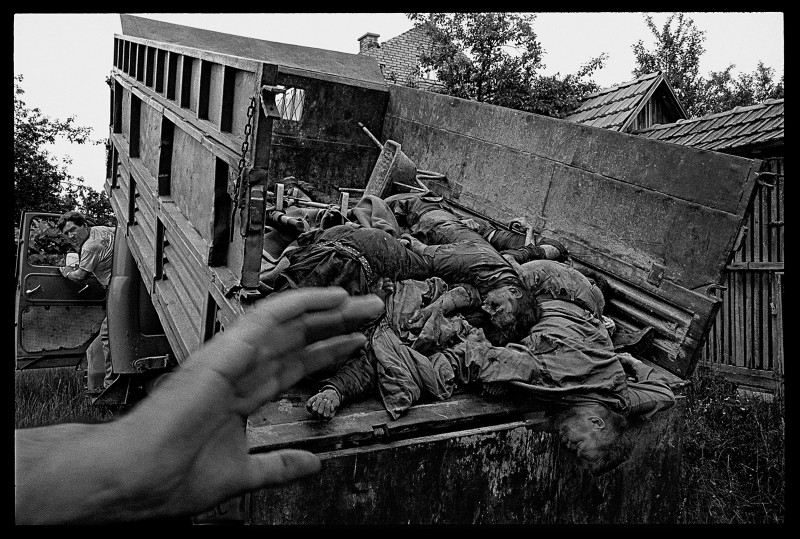
Since then, Nachtwey has covered almost every conflict and human tragedy in the last 30 years. From Somalia to Afghanistan and Iraq, Bosnia and Herzegovina to Rwanda and 9/11. Where other photographers retreat or protect themselves, Nachtway is often the only one to come forward exposing himself to extreme danger. Robert Capa said "If your pictures aren't good enough, you aren't close enough. Photographs by James Nachtwey are often disturbing, extremely moving and always poignant and executed with masterful composition.
“I have been a witness,
and these pictures are my testimony.
The events I have recorded
should not be forgotten
and
must not be repeated.”
~ James Nachtwey
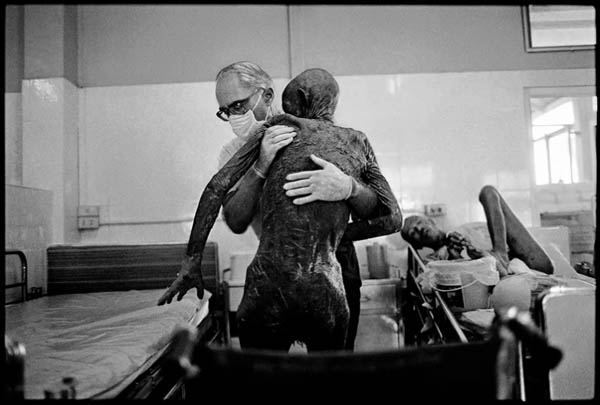
A Hutu man who did not support the genocide had been imprisoned in the concentration camp, starved and attacked with machetes. He managed to survive after he was freed and was placed in the care of the Red Cross, Rwanda, 1994.
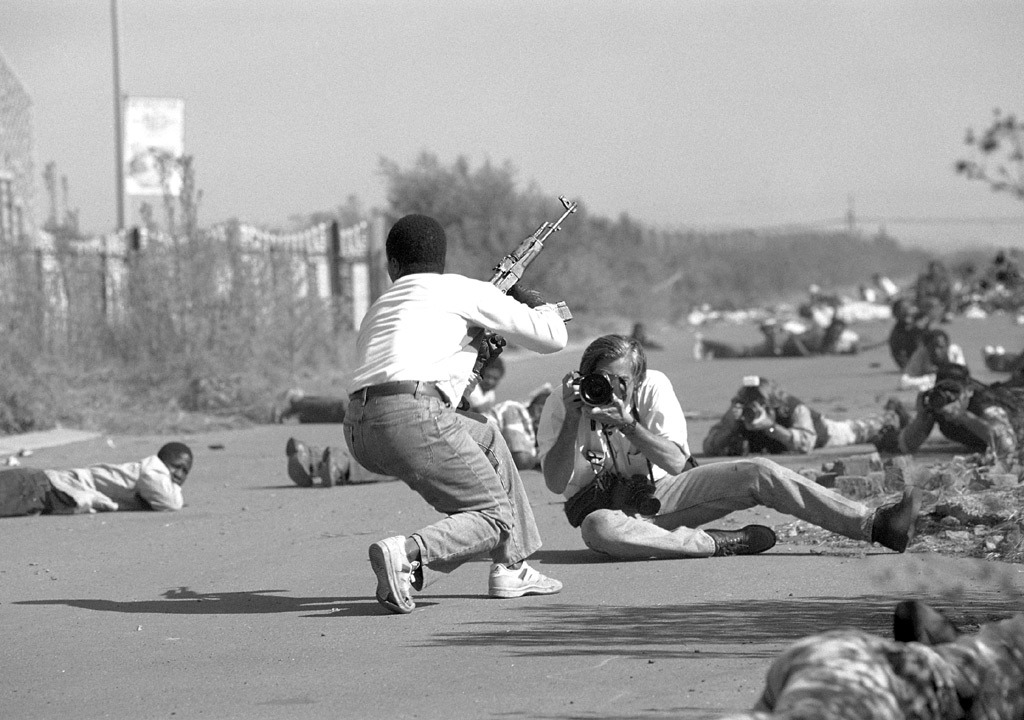
South Africa, 1992 – Xhosa young men in rite of passage.
9/11
“In my mind it all went into slow motion. Everything was floating. I thought I had all the time in the world to make the picture, and only at the last moment realized I was about to be taken out.” ~ James Nachtwey
9/11
9/11 “There was a sense of shock. The firefighters clicked into a kind of professional default and did what they knew how to do, in the face of impossible odds.” James Nachtwey
9/11: “So many firefighters died that day. I think this picture recognizes their loss, and honors it. Their sacrifice was monumental. It will forever be remembered.” ~ James Nachtwey
9/11: “I’d been standing directly beneath the north tower when it collapsed. That I survived seems almost miraculous. I was inside that massive cloud of smoke and dust, suffocating and blinded. I kept moving and eventually saw light emanating in the distance.” ~ James Nachtwey
9/11: “Conventional means of dealing with emergencies were completely overwhelmed. Even with their equipment destroyed the firefighters continued to work. It was much more than an exercise in futility. It was an act of bravery and nobility.” ~ James Nachtwey
9/11: “Thousands of people had died, but they weren’t visible. The horrible fact sank in that everyone who’d been inside was buried beneath thousands of tons of steel and concrete. An unspoken understanding hung in the air – it was already too late.” ~ James Nachtwey
"The main purpose of my work is to appear in the mass media. It’s not so much that I want my pictures to be looked upon as art objects as it is a form of communication. Whatever I did that accomplished something, I’m glad for it. But there’s always so much more to do. I’ve never felt complete; I’ve never felt satisfied. I wouldn’t say I could use the word ‘happy’ about it because its always involved other people’s tragedies and other people’s misfortunes. At best, there’s a kind of grim satisfaction that perhaps I brought some attention, and focused people’s attention on these problems.Perhaps it brought some relief. But its shifting sand that keeps moving."
~ James Nachtwey
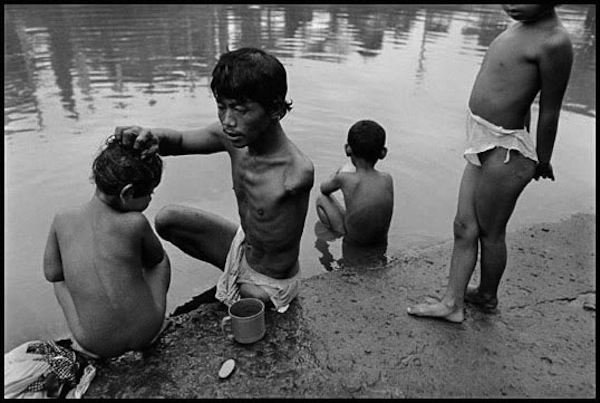
Agent orange victims in Vietnam: A potent herbicide used from 1961 to 1971 in the Vietnam War, Agent Orange was designed to cut through Vietnam's thick canopy of foliage to reveal enemy troops beneath. While it succeeded, the price was high: exposure proved deadly to humans, causing cancers, birth defects and a slew of other disorders. Some 21 million gallons of it were dumped on Vietnam, resulting in hundreds of thousands of injuries and birth defects to Vietnamese citizens.
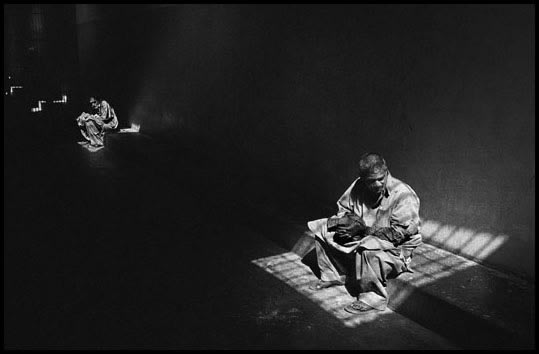
Pakistan, 2001 - A rehab center for heroin addicts.
“It has occurred to me that if everyone could be there, just once, to see for themselves what white phosphorous does to the face of a child, or what unspeakable pain is caused by the impact of a single bullet, or how a jagged piece of shrapnel can rip someone’s leg off - if everyone could be there, just see for themselves, the fear and the grief just one time, then they would understand that nothing is worth letting things get to the point that that happens to even one person, let alone thousands.
But everyone can not be there and that is why photographers go there, to show them, to reach out and grab them and make them stop what they’re doing and pay attention to whats going on.
To create pictures powerful enough to overcome the diluting effects of the mass media, to shake people out of they’re indifference.
To protest; and by the strength of that protest, to make others protest.”
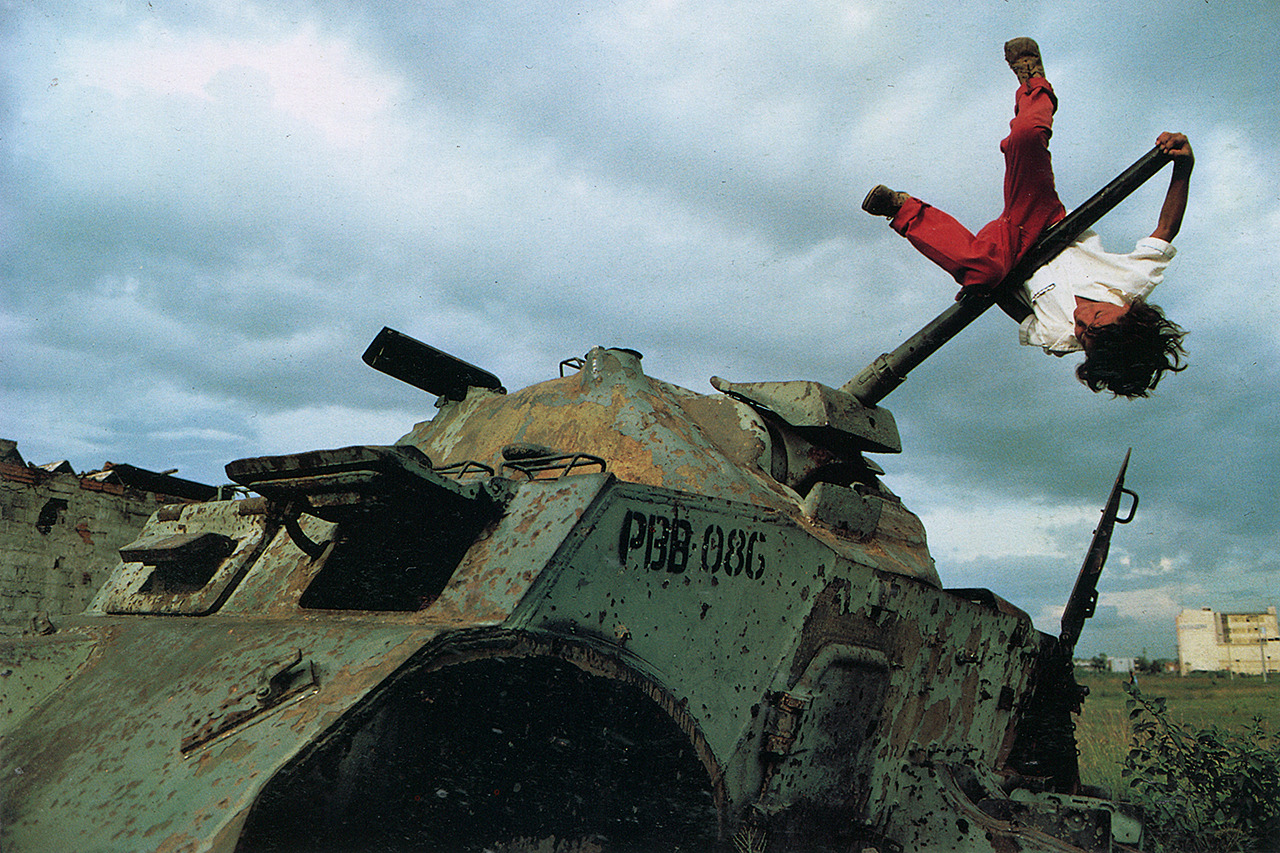
Nicaragua, 1984: Relic of civil war became a monument in a park.
Shiite women prayed at the mosque in Karbala during a holy pilgrimage.
The massacre at Nyarabuye took place in the grounds of a Catholic Church and school. Hundreds of Tutsis, including many children, were slaughtered at close range, Rwanda, 1994.
Aftermath of the massive JapanesesEarthquake: Feb. 27, 2012. Namie, Japan. Police from Futaba District Police Station, which is inside the exclusion zone, search for the dead and still-missing along the ocean front near the power plant, the stacks of which can be seen in the far distance.