About Me

My photo
Toronto, Ontario, Canada
"To take a photograph is to align the head, the eye and the heart. It's a way of life." ~ Henri Cartier-Bresson
Showing posts with label WWII. Show all posts

Tuesday, December 10, 2019

1940's Yakuza Tattoo Culture ~ Horace Bristol


Born in 1908, Horace Bristol studied at the Art Center of Los Angeles, where he was influenced by the work of Edward Steichen and Margaret Bourke-White. He moved to San Francisco, met Ansel Adams and through him befriended fellow photographers including Edward Weston, Dorothea Lange, and Imogen Cunningham.

He became a LIFE magazine contributor in the late 1930s and was soon hired on staff. In 1937 Bristol proposed a story about migrant farm workers in California’s Central Valley—a project that would include accompanying text by novelist John Steinbeck. LIFE turned down the story and Steinbeck withdrew from the partnership to write the story as a novel, which became his masterpiece The Grapes of Wrath but Bristol photographed the region on his own.

In 1941 Bristol became one of five photographers documenting World War II under the direction of Edward Steichen, and he photographed battles in North Africa, Okinawa, and Iwo Jima.

Following his documentation of World War II, Bristol settled in Tokyo, Japan, selling his photographs to magazines in Europe and the United States, and becoming the Asian correspondent to Fortune. He published several books, and established the East-West Photo Agency.

 In 1956, devastated by the suicide of his wife, Bristol burned all the negatives and photographs that he kept at his seaside house in Japan, effectively ending one of the most intense photographic careers of his time. His remaining photographs were packed into footlockers, stored, and left untouched for nearly thirty years. Below are some of his stunning documentation of mid-century tattoo culture in Japan.


Horace Bristol, Yakuza Public Baths, Japan, 1947


During the Edo period (1603 to 1868), criminals in Japan were tattooed by authorities in a practice known as bokkei, making it hard for them to reenter society and find work. This is a primary reason why the tattoo culture of the Yakuza evolved in protest to this branding.
The meaning of Yakuza tattoos are usually related to imagery and symbolism in Japanese art, culture, and religion. The full body suit tattoo, in particular, is a product of Yakuza culture. In the past, it was obligatory in many Yakuza clans for members to get tattoos.
In modern times, the practice is no longer as common. Many Yakuza in the 21st century maintain clean skin to better blend in with society. Conversely, more and more non-Yakuza in Japan are getting tattoos.
Despite these changes, being tattooed is considered a rite of passage for the Yakuza.


1946, Tokyo, Japan ~ A Japanese tattoo artist works on a group of  Yakuza gang members.


Tuesday, March 5, 2013

Photographer Profile ~ Pierre Jahan

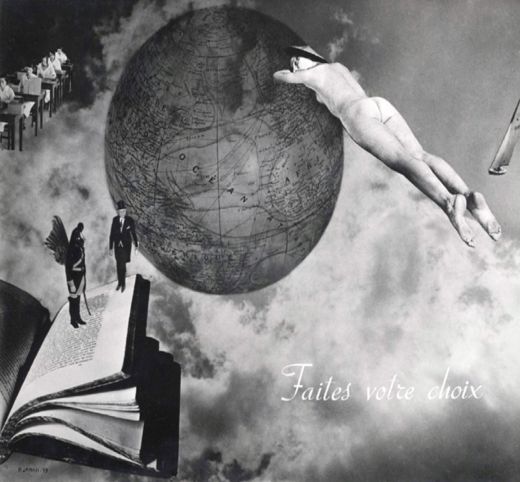
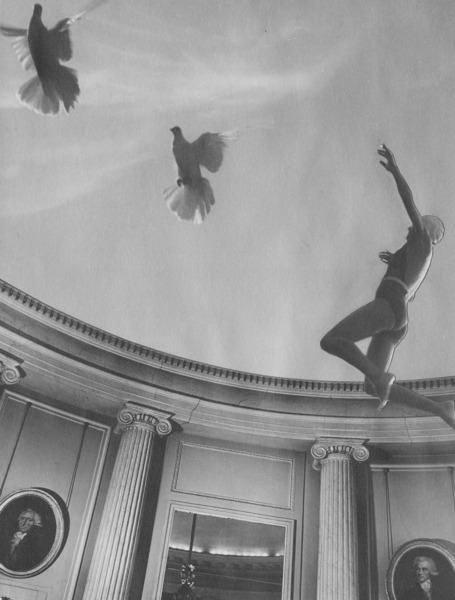
Pierre Jahan  (1909-2003) was a French photographer and illustrator best known for his surrealist images and photographs of Paris. He exhibited alongside such greats as Henri Cartier-Bresson , Man Ray  Robert Doisneau , Willy Ronis to name a few.

"The long career of Pierre Jahan reflects independent behavior and even epicurean, and a tireless curiosity..."

Please visit his websiite here http://pierrejahan.free.fr/
 © Pierre Jahan

"I'm always fascinated by the play of light - and chance. Like everything that is in the shadow beings and things take a sort of drift similar dream, dream or nightmare, ecstasy, fear, entr'ouvent the door of the fourth dimension in which can not be really believe I have always lived. This is all that I have, no doubt, led to photography " 
~ Peirre Jahan
 © Pierre Jahan - Redevelopment of the Grand Gallery of the Louvre Museum in 1947 after WWII.
Statue graveyard Pierre Jahan
 © Pierre Jahan - Destruction des statues pour récupérer les métaux, Paris, 1941
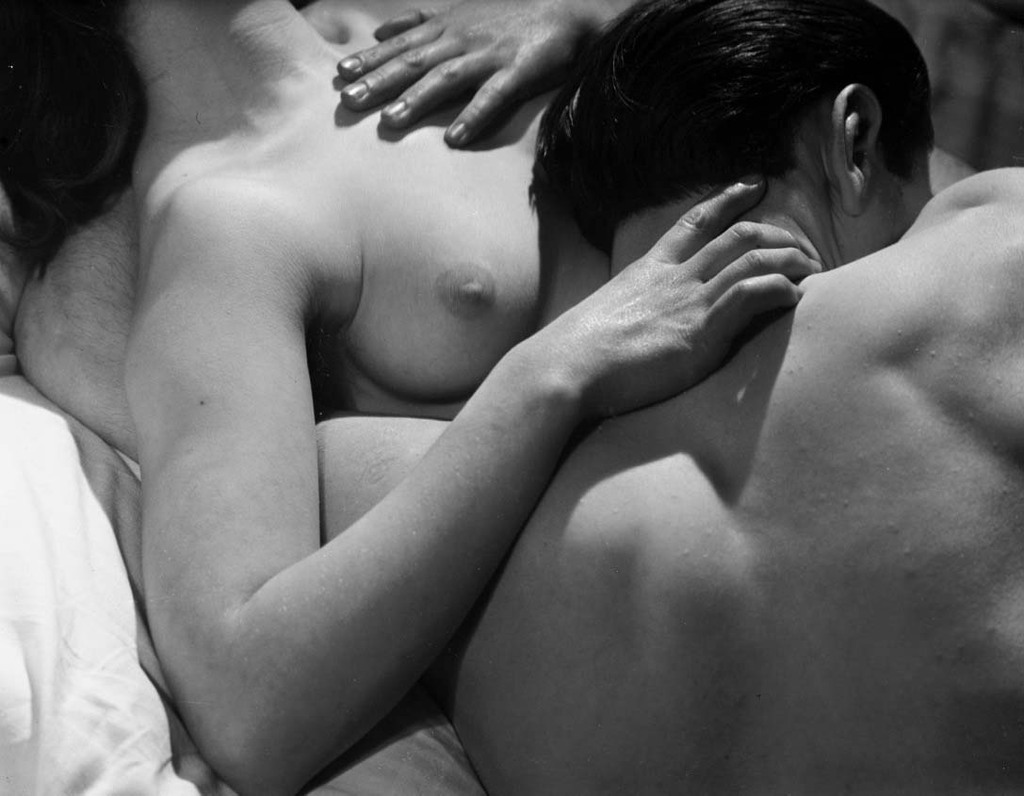
Nude study, ca. 1940s Pierre Jahan
Pierre Jahan - Restaurant La Coupole, Paris, 1930
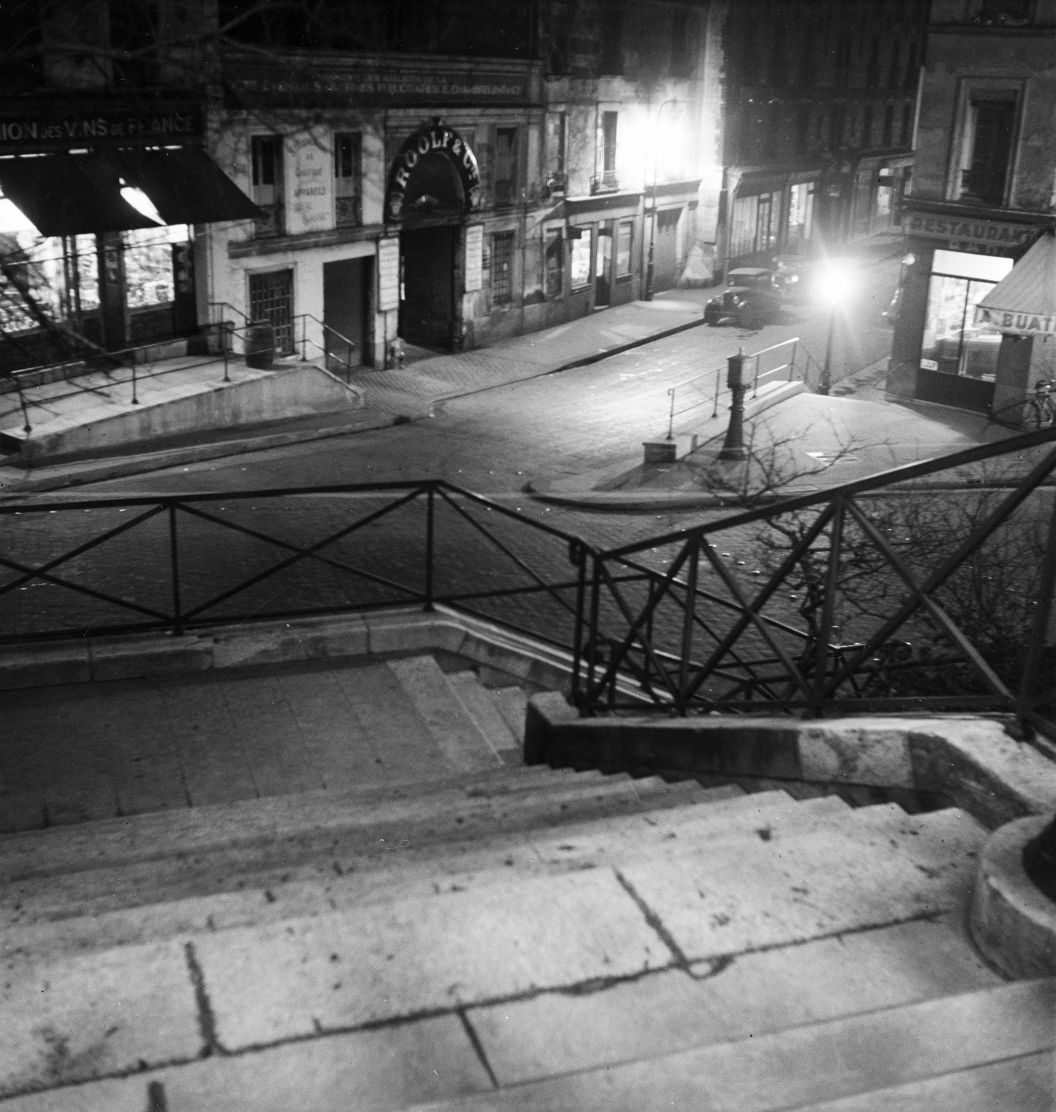
Pierre Jahan - Escalier près du Canal St Martin, Paris,1937
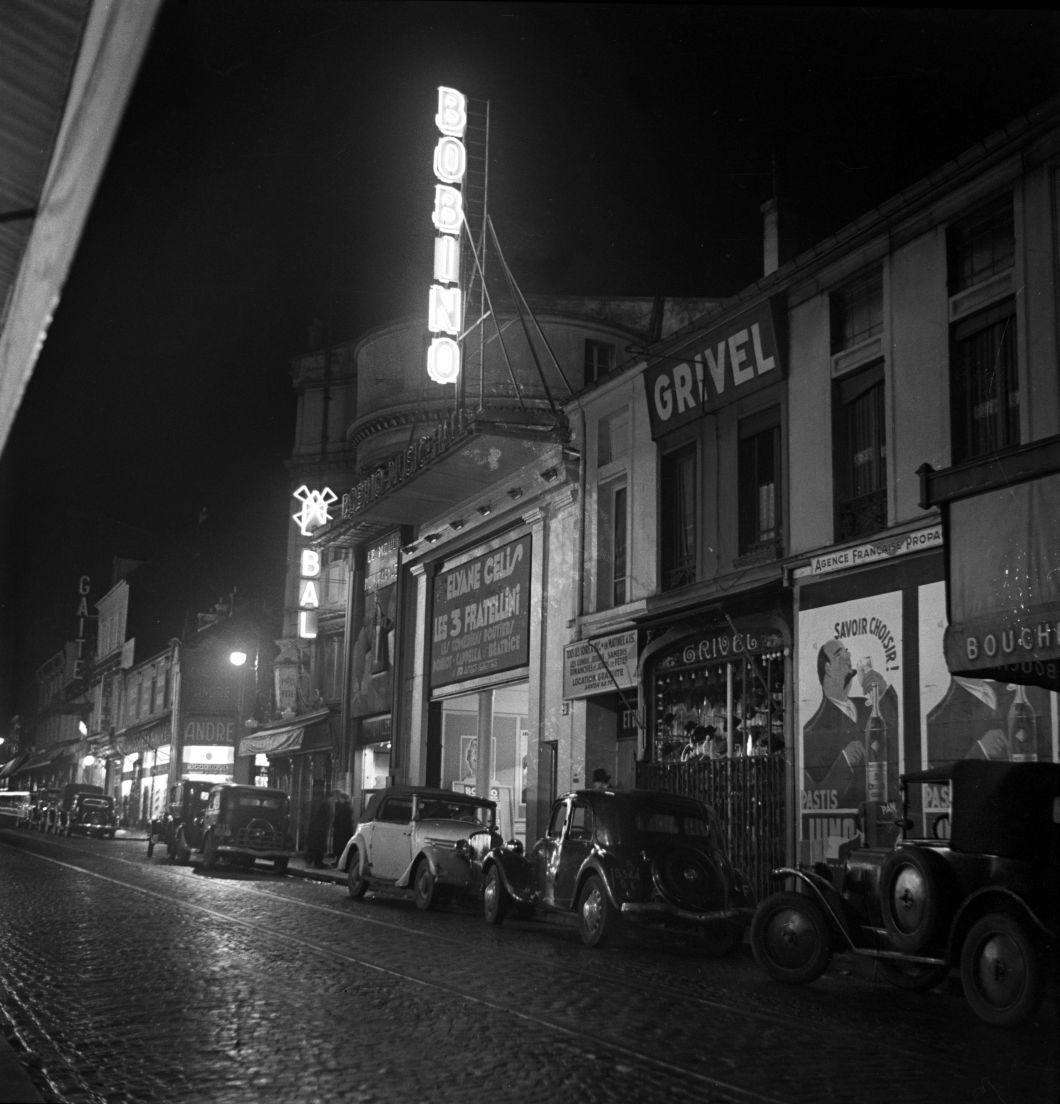
Pierre JahanParis by Night, Bobino “Music Hall”, rue de la Gaité 14° 1936

After the War, a new Louvre, transformed by major renovation
work, gradually opened to the public between 
1945 and 1947.
 And thanks to the skills
 and tenacity of those responsible for 
safeguarding cultural property, the 
museum’s major masterpieces 
returned to the palace, virtually unscathed. (Louvre)

Pierre Jahan - Sculpture de Reboul, 1941
La Tour Eiffel 1926
Pierre Jahan Tour EiffelPierre Jahan c.1930
Colette à la fenêtre de son appartement par Pierre Jahan, Paris, 1941
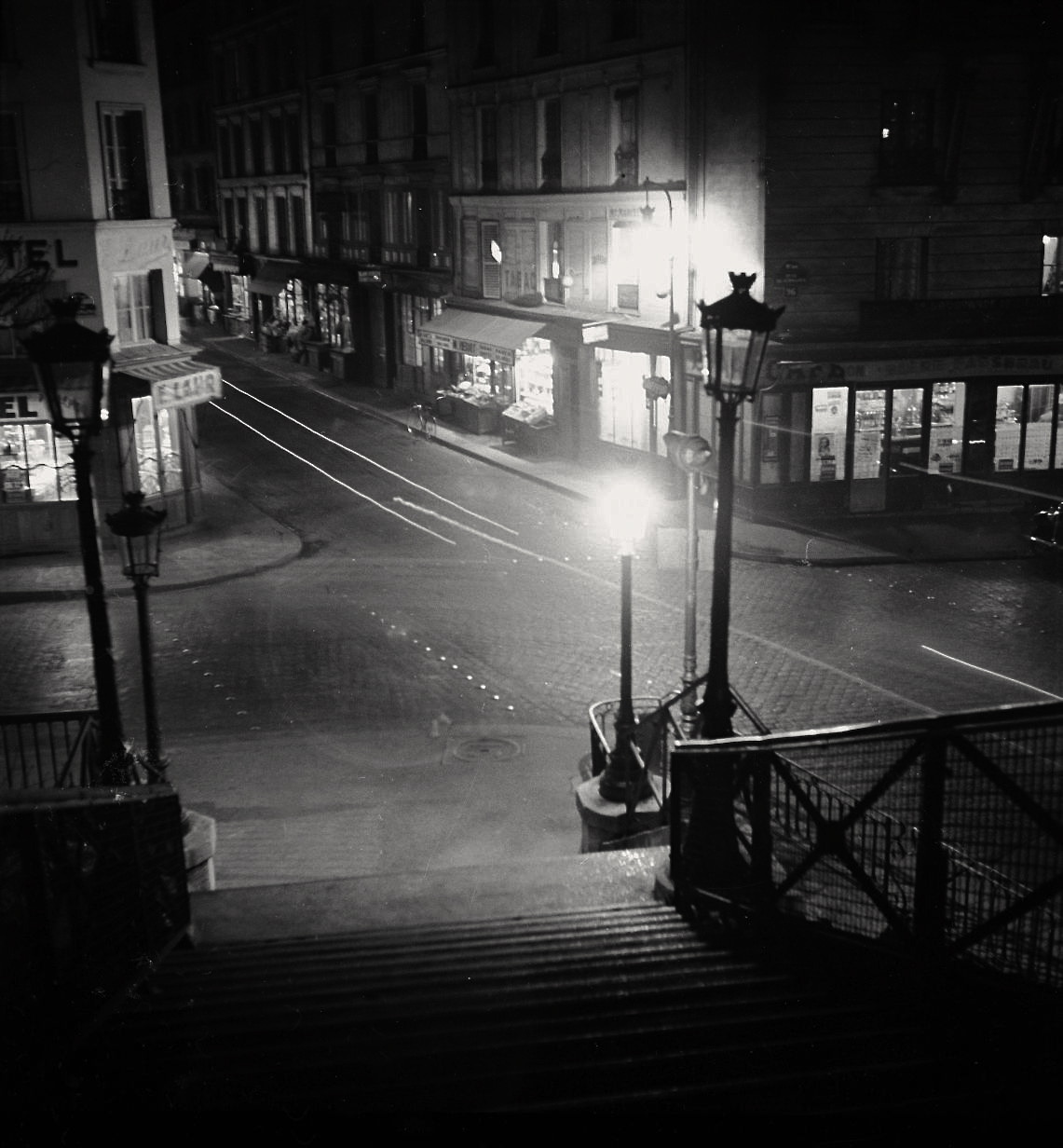
Pierre Jahan, Paris, la nuit, 1930.
Pierre Jahan-Reconstruction of the temple of Angkor Wat in Bois de Vincennes at the International Colonial Exhibition, 1931
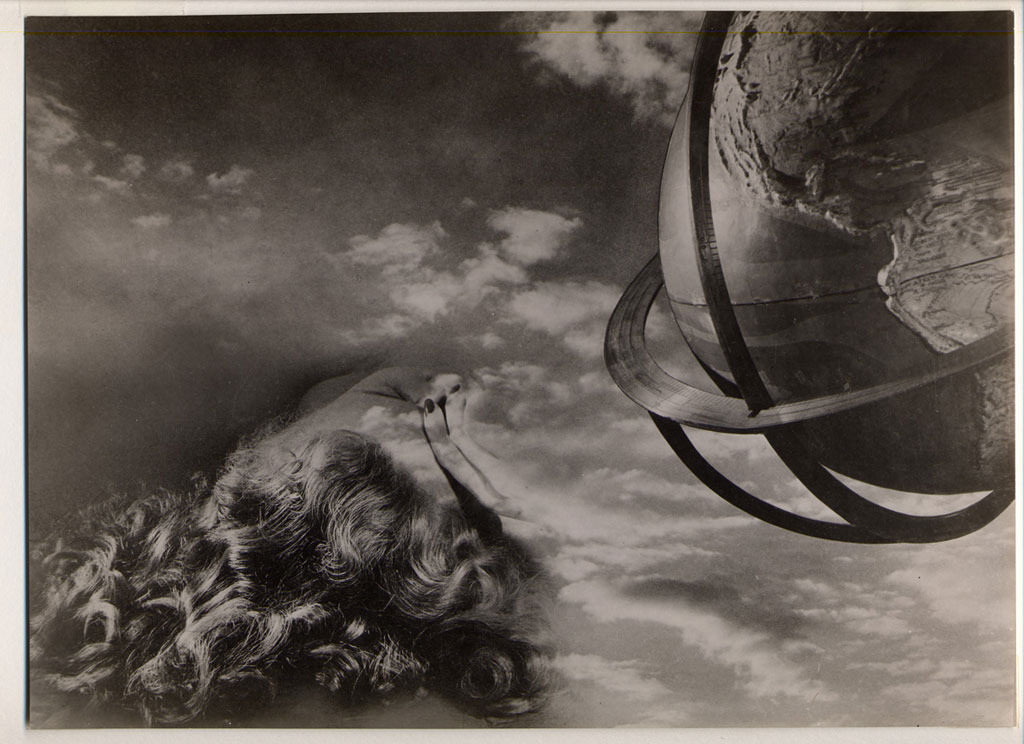
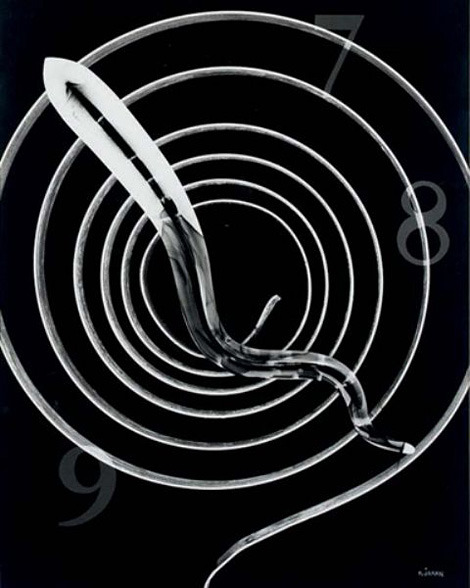
Pierre Jahan - Nuages, chevelure et mappemonde, avant 1948
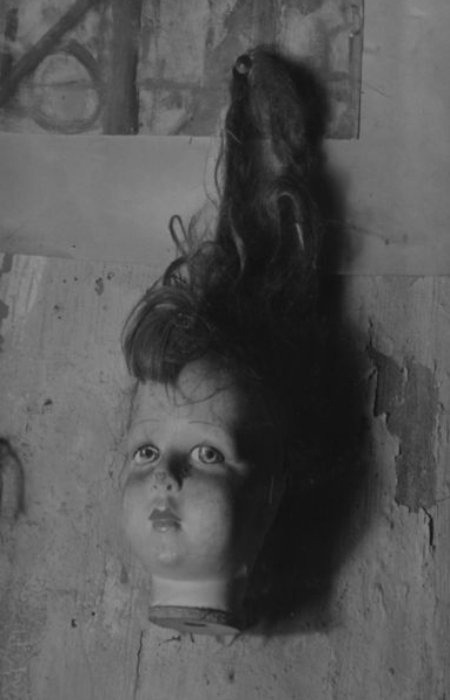
Poupées accrochées à un mur by Pierre Jahan, 1945

Pierre Jahan Photogravure Lerulé ~
1946


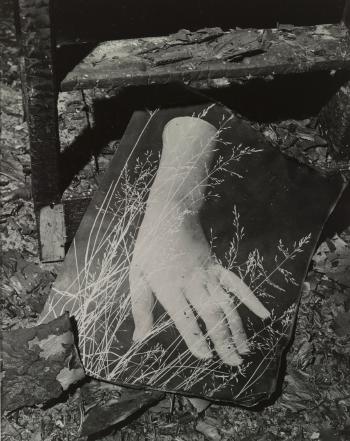
Main aux yeux, 1947 by Pierre Jahan

Photographers Willy Ronis and Pierre Jahan at work, Paris 1950 - by Marcel Bovis


Portrait of Pierre Jahan


Tuesday, February 21, 2012

Photographer Profile ~ Toni Frissell

Toni Frissell, (1907 -1988) was an American photographer, known for her fashion photography, World War II photographs, portraits of famous Americans and Europeans, children, and women from all walks of life.

In the beginning of her career, she was an apprentice to Cecil Beaton and was advised by Edward Steichen. Conde Nast himself was instrumental in her start at Vogue. Frissell was one of Vogue's first female photographers. As her career evolved, Frissell was commissioned by several corporations, such as Gulf Oil and Life.

Frissell stretched the boundaries of the privileged world into which she was born and became one of the most innovative photographers of her time. She conceived the fashion photograph as a snapshot, in the manner of Munkacsi, and brought a freshness and particularly American style to the genre. Her battle front photojournalism captured some of the most unforgettably compelling images of World War II.


Lisa Fonssagrives was a Swedish fashion model widely credited as the first supermodel.


Michael Todd (June 22, 1909 - March 22, 1958) was an American theatre and film producer, best known for his 1956 production of Around the World in Eighty Days, which won an Academy Award for Best Picture. He is also well known as the third of Elizabeth Taylor's seven husbands.

Jacqueline Bouvier on her wedding day


John F. Kennedy and Jacqueline Bouvier on their wedding day, 1953


The Kennedys

Portrait of Winston Churchill, his son Randolph, and his grandson Winston, circa 1950s


Medieval street in Alfama, Lisbon, Portugal, ca. 1946


 Bomb shelter in a London Underground station, during The Blitz, WW2


London 1945


During World War II she was commissioned by the Women's Army Corps to photograph the movements of the Red Cross. Her subsequent photographs are some of the most harrowing of the war and detail it's very real human cost.


Berlin, October 1961


 Lilli Marie Peiser, German actress


 Liz  Taylor, Liza Todd and Mike Todd. Photograph by Toni Frissell, signed and dated 1957


 Toni Frissell with child model


Toni Frissell

Toni Frissell showing kids her camera

Portrait of Toni Frissell