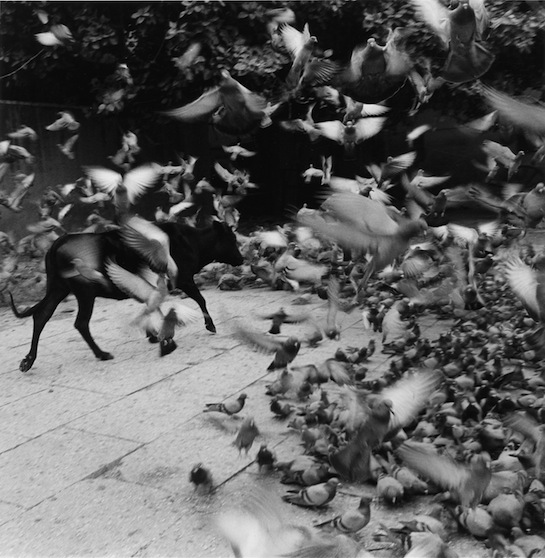
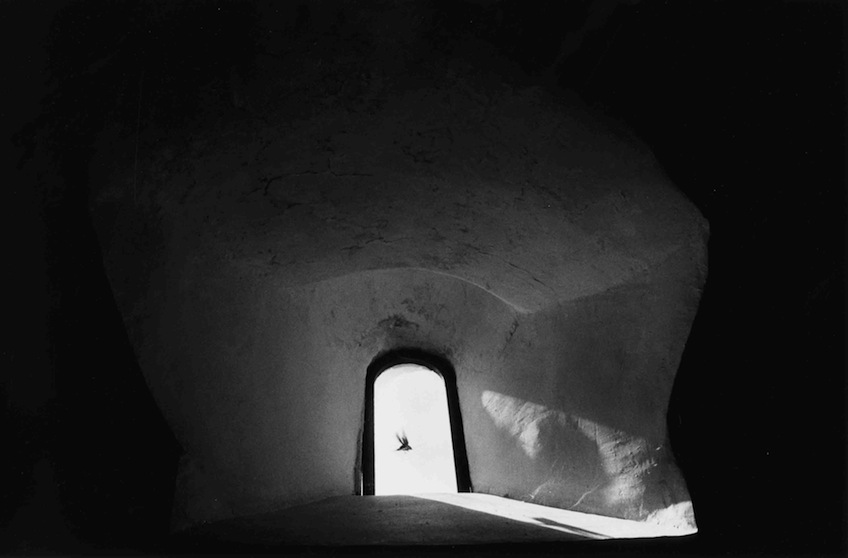
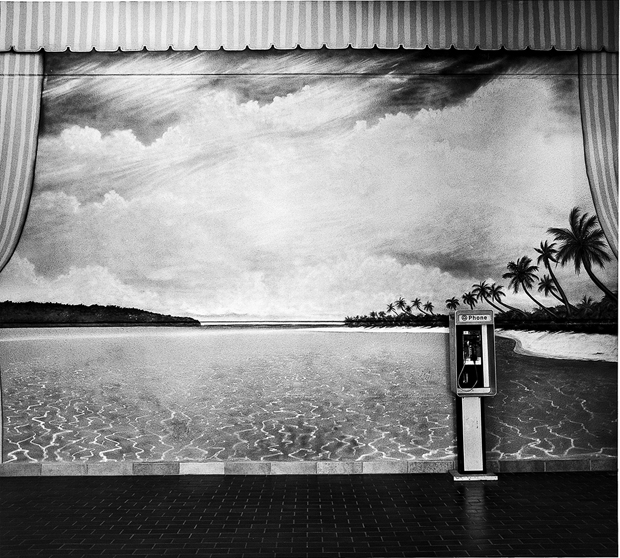
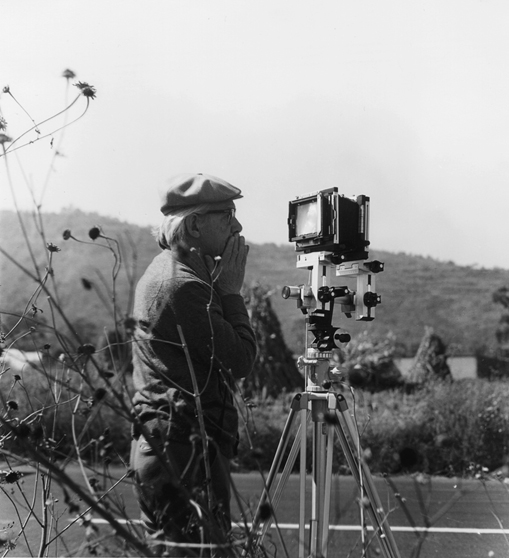
Ramón Masats' (Born 1931 Caldas de Montbui, Spain) interest in the world of photography began when he performed military service . Bored, he discovered the magazine Foto Art and this inspired him to acquire his first camera. He made his first photos and enrolled in the photographic circle of the Casino del Comercio de Tarrasa . His eye for composition and form caught the attention of numerous collectors and magazines throughout Spain.
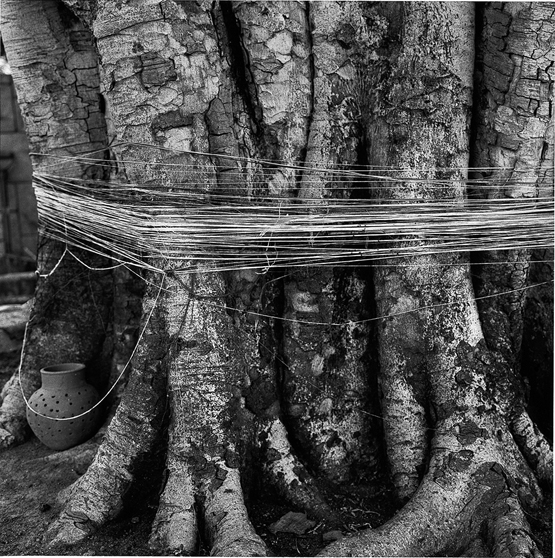
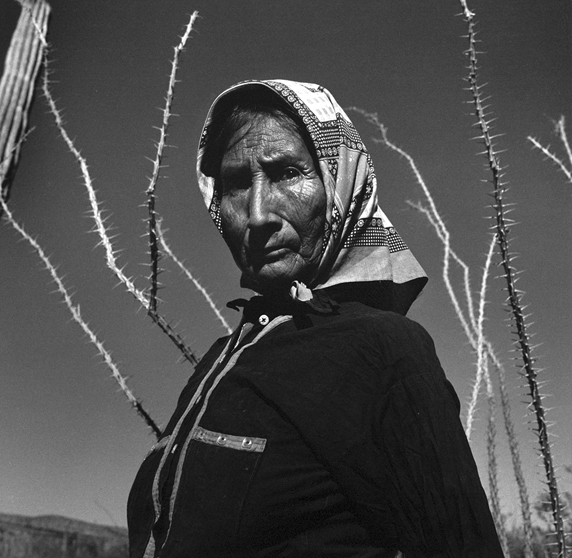
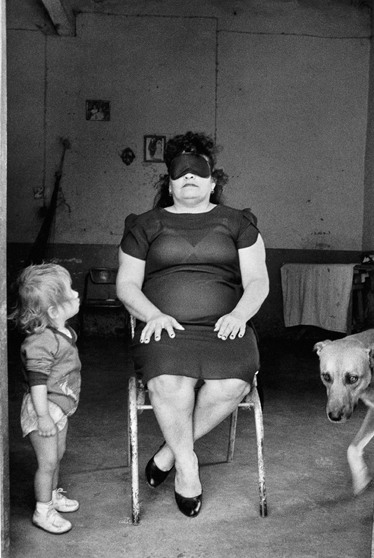
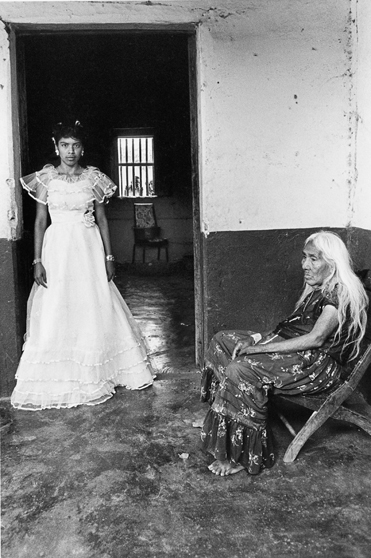
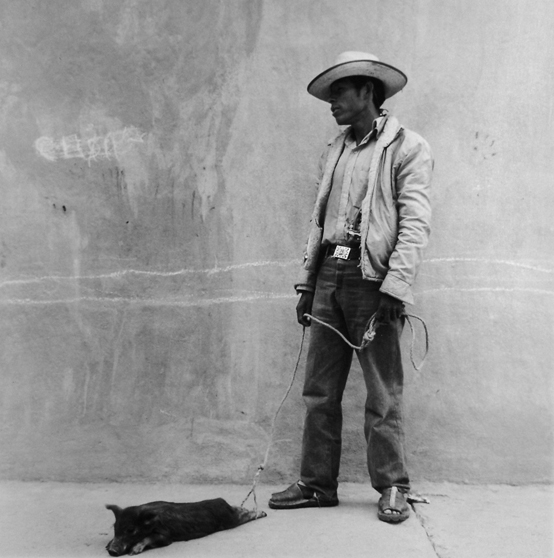
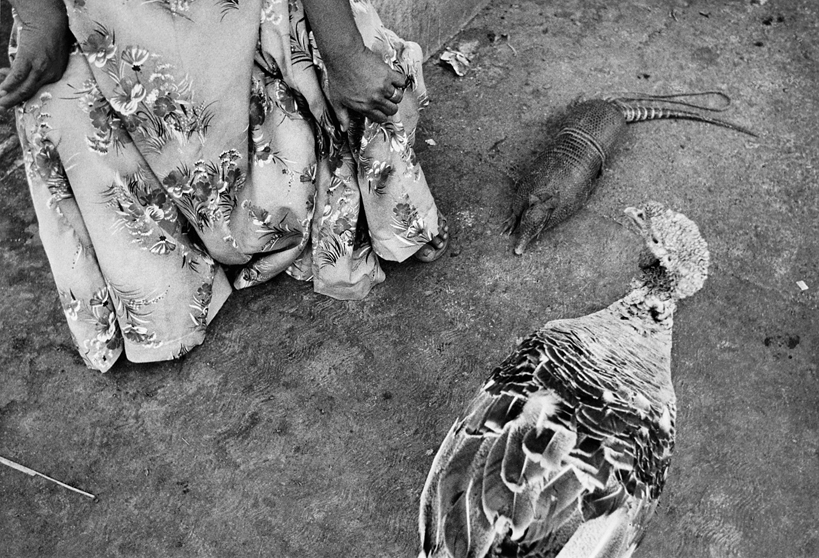
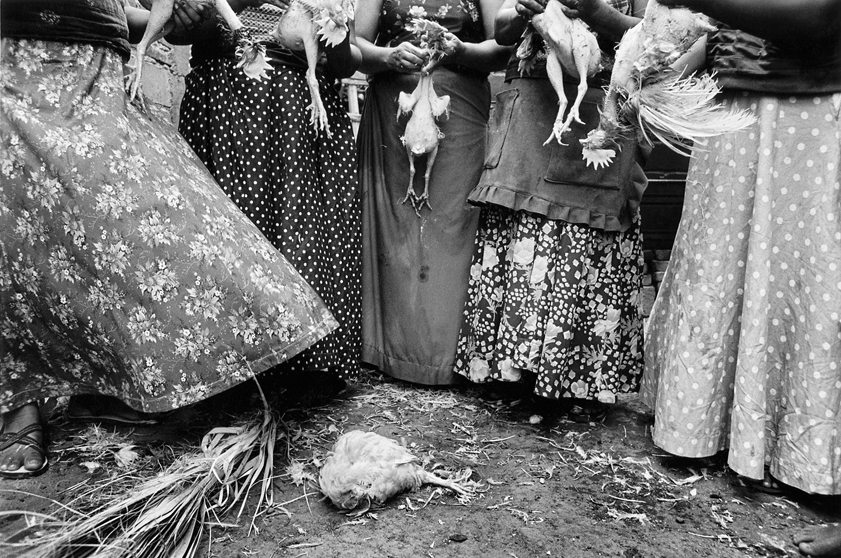
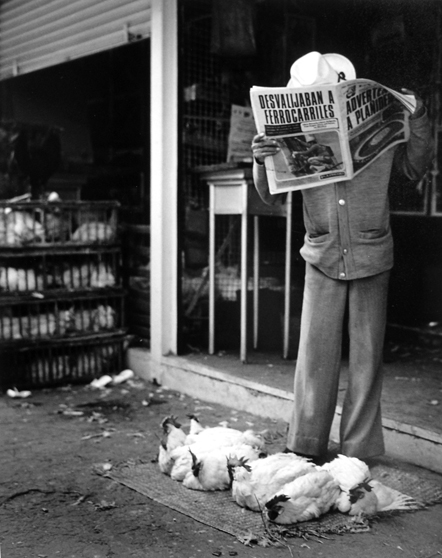
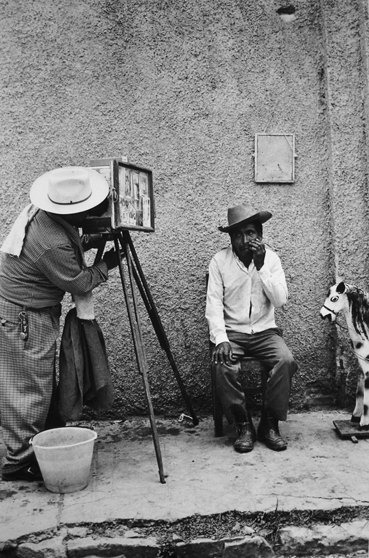
Working in her native country, Graciela Iturbide creates photographs which have become synonymous with Mexican culture in all its diversity. Born in Mexico City, Iturbide came to photography after marrying at the age of twenty and having three children, fulfilling the pressures of an upper-middle class family. In 1970, after the sudden death of her six-year old daughter, Iturbide reassessed her life's purpose, which eventually led her to an apprenticeship with Manuel Alvarez Bravo. This bond with Mexico's greatest photographer led her to see her homeland as she never had before, photographing indigenous people in small villages across the land.
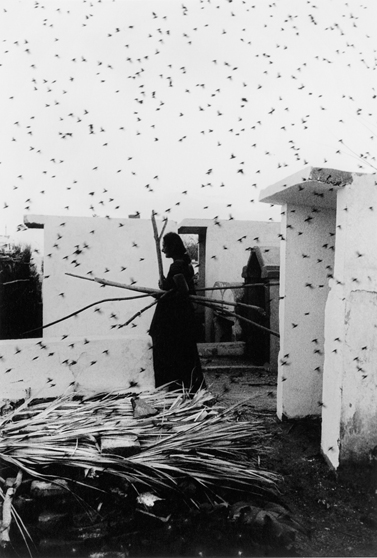
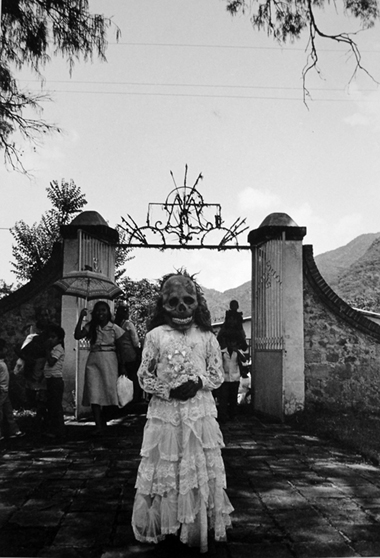
Through Iturbide's images, we come to understand that the power of the Catholic church could not erase the greater power of pre-Hispanic cultures, which created a country flourishing with modern technologies [radio, television, advertisements] yet cognizant and proud of its traditional and religious customs. Her photographs tell a visual story of a culture in constant transition though images of identity, sexuality, festivals, rituals, daily life, death and the role of women. At times we see the clash between urban and rural life, indigenous and modern life, as Iturbide effortlessly moves from community to community on her personal journey through her homeland.
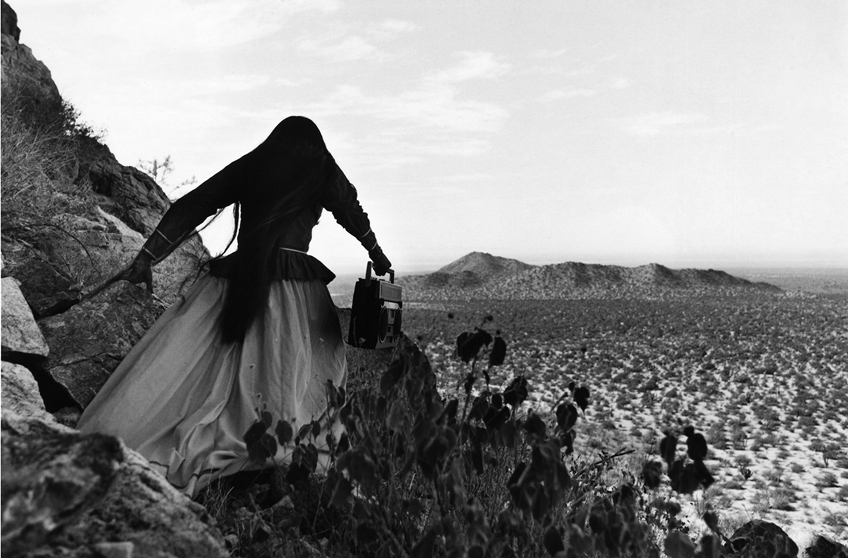
One of her most well-known projects was with the Zapotec Indians in Juchitán, a community known for its rare matriarchal social structure. This is evident in Nuestra Señora de Las Iguanas (Our Lady of the Iguanas), in which an iguana wraps itself around the head of a woman whose stoic stance reveals the strength and pride of Zapotec women who take on the role of goddess and healer. In Mujer Ángel, Desierto de Sonora, Mexico (Angel Woman, Sonora Desert, Mexico) a Seri Indian is seen from behind, wearing traditional clothing running along a mountain ridge, the only hint of modernization is a boom box in her hand.
Graciela Iturbide has solidified her place as one of the most important contemporary Mexican photographers, who images reveal her love of Mexico and its people. Most recently, Iturbide has expanded her work to other cultures. This can be seen in her images of the American South in which she focuses on the effects of modern culture on the landscape. Whether at home or in foreign lands, Iturbide's work explores cultural identity and the ways people adapt to modernization. [via edelman gallery]
"On the day of this particular image, I went with a group to a cave where there are indigenous paintings. I took just one picture of this woman during the walk there. I call her Mujer Ángel [Angel Woman], because she looks as if she could fly off into the desert. She was carrying a tape recorder, which the Seris got from the Americans, in exchange for handicrafts such as baskets and carvings, so they could listen to Mexican music.
When I got back from Punta Chueca, I developed my films and went through the contact sheets, but I didn't notice this photograph. Then my editor visited me and asked about it. I didn't remember taking it, which isn't something that normally happens to me: I always know what I have taken. That's what makes it my favourite photograph: a present from the desert that surprised me." ~ Graciela Iturbide
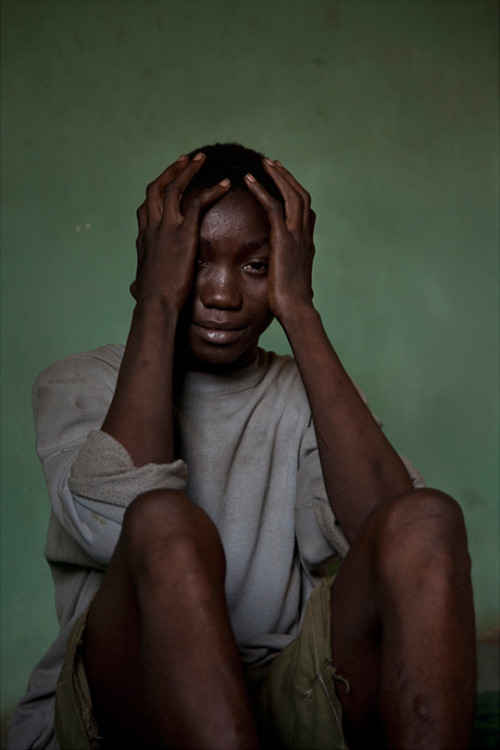
Spanish photographer Fernando Moleres has won the 2012 Tim Hetherington Grant, World Press Photo and Human Rights Watch have announced. Moleres was awarded the grant to complete his project called "Waiting for an Opportunity."
The 20,000 euro grant (about $26,000 USD), established in 2011 to celebrate Hetherington's legacy as a photographer and filmmaker, is intended to help a visual journalist complete an existing project with a human rights theme. Moleres was one of 176 journalists from 53 countries to apply for the grant this year.
His project focuses on the hardship and injustice that incarcerated youth are subjected to at an adult prison in Pademba, Sierra Leone. Many wait years for trial under harsh conditions without access to legal assistance. Their families often reject them, and they struggle to re-adjust to prison life after their release. [Via PDN]
“Photography has its limits,” says Moleres, who worked as a nurse in Spain before turning to photography. “I’m very happy with the project, it has received a lot of attention, but it’s just a drop in the ocean. Nobody has moved a finger to help these boys.”
Until recently, that is. Moleres returned from another excursion to Freetown just last month, where, with the help of the NGO Free Minor Africa, he gave birth to an organization that will help boys navigate through Sierra Leone’s penal and judicial systems. When fully up-and-running, Moleres hopes to help up to 20 boys, whether they need legal assistance or help with rehabilitation once they are freed from prison. Moleres will also provide them with the option of returning to school or retraining so they may enter the workforce.
Moleres, nonetheless, has no intention of abandoning his photography. He’s currently working on a book that will capture the boys of Pademba Road at various stages of their prison experience, from incarceration to rehabilitation to life on the street.
“If you don’t do anything to follow it up, photography is not worth much,” says Moleres. “We become very conscious of everything but there is little action. I’m more interested in dedicating myself to photographic projects in which action follows close behind.”
Watch a video by Fernando Morales (Panos Pictures) about the situation in this prison here.